
Vancouver Floods: Effects & Resilience
Analyze flooding implications in Vancouver. Understand the inherent risks, uncover preventive techniques, and acquire key safety tips for locals.
Nestled along the banks of the Columbia River, Vancouver, Washington is no stranger to the challenges posed by flooding. The city's geographical positioning and distinct climate contribute to a heightened vulnerability to flood events, painting a vivid picture of the myriad effects and the resilience displayed by its inhabitants. The varied weather patterns characteristic of the Vancouver area act as a catalyst, frequently setting the stage for substantial water-related disturbances. By delving into the phenomenon of floods in Vancouver, we gain insight into the overarching impact and the robust countermeasures adopted by the city.
The discussion on Vancouver floods offers a multifaceted exploration of the city’s encounters with this natural calamity, illustrating the tangible and intangible repercussions faced by the community. The relationship between the city’s climatic conditions and the ensuing floods is intricate, highlighting the perpetual dance between nature's forces and human resilience. This exploration serves not merely as an exposition of the hardships encountered but also as a testament to the enduring spirit and adaptive strategies that define Vancouver's approach to overcoming the challenges posed by floods.
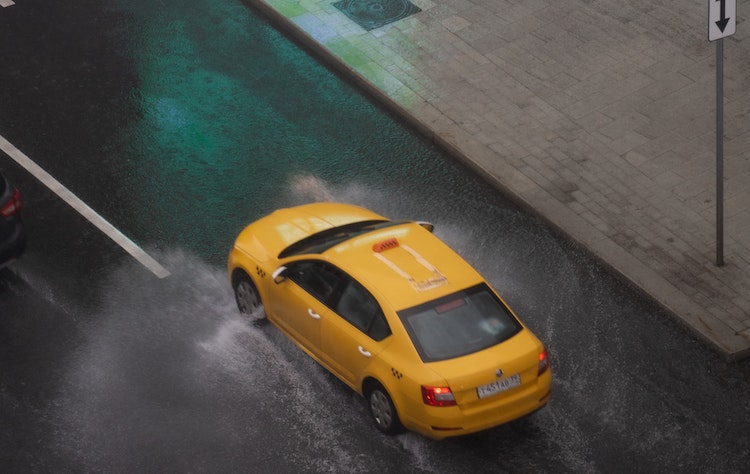
Is Vancouver, Washington Susceptible to Flooding?
Vancouver, Washington, situated near the Columbia River, inherently possesses a vulnerability to flooding. The city's geographical location, coupled with specific climatic conditions, exposes it to frequent and sometimes severe water-related disturbances. The multifaceted landscape of the city and its proximity to water bodies underline the perennial struggle with the forces of nature, rendering the area susceptible to the challenges and damages associated with flooding events.
However, the resilience and adaptive strategies of Vancouver are notable, with comprehensive measures and protocols in place to mitigate the impact of such occurrences. The city’s dedication to understanding and managing the complexities of its environment exemplifies the commitment to safeguarding its residents and infrastructure against the inevitable encounters with flooding, showcasing a harmonious coexistence between the city and its surrounding natural elements.

Causes of Flooding in Vancouver
In understanding the frequent interactions with water in Vancouver, it's paramount to delve into the multiple factors that lead to flooding in this region, enhancing our comprehension of the relationship between the city and its environmental elements.
Vancouver Climatic Conditions
Vancouver, Washington experiences a range of climatic conditions that play a pivotal role in causing floods. The city witnesses substantial rainfall throughout the year, which, combined with the snowmelt in the surrounding mountains, can lead to heightened water levels in the region’s rivers and streams, escalating the risk of flooding.
Vancouver Geographical Factors
The geographical layout of Vancouver also contributes significantly to its flooding susceptibility. The city’s proximity to the Columbia River and its location at a lower elevation make it a natural catchment area for runoff, especially during heavy rainfall and rapid snowmelt, leading to overflow in water bodies and subsequent flooding.
Human Activities
Human-induced activities such as urbanization, deforestation, and alteration of natural water courses have amplified the risk of flooding in Vancouver. The alteration of the natural landscape and the construction of infrastructure have modified the runoff patterns, often leading to increased water accumulation and elevated flood risks in certain areas.
Vancouver's interaction with floods is a multifaceted narrative, intertwined with its climatic realities, geographical nuances, and human activities. The city’s environmental dynamics illustrate a vivid tapestry of factors contributing to its flooding events, creating a scenario where understanding and adaptation become the cornerstones for resilience.
In reflecting upon the intricacies of Vancouver’s environmental dynamics, the intertwining elements of climate, geography, and human influence emerge as crucial determinants in the city’s ongoing dance with flooding. Acknowledging these contributing factors is instrumental in fortifying Vancouver’s resilience and fostering a symbiotic existence between the city and its enveloping water bodies, paving the way for a future where harmony with nature and sustainable coexistence are the prevailing themes.
Impact of Vancouver Flooding
Understanding the profound impact of flooding on Vancouver is essential for fostering a resilient and adaptive community. Examining the material, economic, and social repercussions elucidates the extensive reach of flooding events within the city's bounds.
Material Damage to Vancouver
Flooding in Vancouver typically brings about substantial material damage. The proximity to the Columbia River means that significant water influx can damage properties, infrastructure, and natural environments. Homes and businesses within the floodplain areas are often subjected to extensive water damage, necessitating costly repairs and recovery efforts.
Effect on the Vancouver Economy
The economic repercussions of flooding in Vancouver are multifaceted. The destruction of property and infrastructure often leads to temporary closures of businesses, affecting the livelihoods of many residents. Moreover, the financial burden of repair and recovery is substantial, straining the local economy and diverting resources from other essential services and developments.
Social and Psychological Impact
Beyond the tangible, the social and psychological ramifications of flooding are profound. Residents affected by flooding often experience stress, anxiety, and uncertainty about the future, impacting their well-being and community cohesion. The collective trauma of experiencing such disasters can have lasting impacts on the mental health of the community, necessitating support and coping mechanisms.
The ramifications of flooding in Vancouver extend beyond visible damages, weaving into the economic fabric and social psyche of the community. The intertwining of material, economic, and psychological impacts paints a comprehensive picture of the challenges and adversities faced by Vancouver residents in the wake of flooding events.
Recognizing the multifarious impacts of flooding is crucial in charting a resilient and adaptive pathway for Vancouver. The layers of material damage, economic strain, and psychological distress necessitate a holistic approach to resilience, addressing both the physical and intangible repercussions. Through thoughtful reflection and unified efforts, Vancouver can navigate the complexities of its relationship with flooding, fostering a resilient and harmonious coexistence with its dynamic environmental landscape.

Vancouver Response and Relief Efforts
In the wake of flooding events, the response and relief efforts in Vancouver are pivotal in mitigating the immediate impacts and facilitating the recovery of the affected community. These endeavors encompass governmental interventions, organized relief efforts, and support networks for the residents.
Vancouver Governmental Response
The local government in Vancouver plays a significant role in orchestrating response measures during flooding. They mobilize emergency services to ensure the safety and well-being of the residents, coordinate evacuation and shelter efforts, and facilitate access to essential resources such as food, water, and medical services. The government also oversees the rehabilitation of damaged infrastructure and the implementation of recovery plans to restore normalcy in the affected areas.
Relief Efforts for Flooding in Vancouver
Organized relief efforts are a cornerstone of Vancouver's response to flooding. Numerous organizations, charities, and volunteers collaborate to provide immediate assistance, including supplying essential goods, offering shelter, and conducting clean-up operations. These collective efforts are crucial in addressing the urgent needs of those affected and in laying down the foundations for long-term recovery and rebuilding.
Support for Affected Residents
Supporting residents impacted by flooding is a multifaceted approach in Vancouver. Various community-based initiatives and support networks are established to address the emotional and psychological needs of the residents. Counseling services, community meetings, and support groups are instrumental in helping individuals cope with the trauma and stress associated with flooding events.
The response and relief efforts in Vancouver are a collective endeavor involving governmental actions, organized relief initiatives, and community support. These mechanisms are integral in navigating the immediate challenges posed by flooding and in fostering a supportive and resilient environment for the affected residents to rebuild and recover.
Addressing the multifaceted challenges posed by flooding in Vancouver necessitates an encompassing and compassionate approach. The amalgamation of governmental intervention, relief initiatives, and robust support for the affected residents underlines the city’s commitment to resilience and community solidarity. By continuing to fortify these response and relief frameworks, Vancouver can ensure the well-being and recovery of its residents in the face of flooding challenges, reinforcing its resilience and adaptive capacity in the evolving environmental landscape.
Vancouver Prevention and Mitigation Strategies
Strategizing for the prevention and mitigation of floods is crucial for Vancouver, due to its vulnerability to such natural disasters. An integrated approach involving flood control measures, continuous improvements, and preparedness strategies is pivotal in reducing the potential risks and impacts associated with flooding events in the city.
Flood Control Measures in Vancouver
Vancouver has implemented a range of flood control measures to manage and reduce the risks of flooding. These include the construction of levees, dams, and reservoirs to regulate water levels and protect against overflow. Additionally, effective stormwater management systems are in place to handle excess rainfall and prevent urban flooding, thereby safeguarding the city’s infrastructure and its residents.
Improvements and Future Strategies
Continuous enhancements and forward-thinking strategies are essential in maintaining Vancouver’s resilience against flooding. The city actively pursues advancements in flood control technologies and infrastructure upgrades to adapt to changing climatic conditions. Furthermore, Vancouver collaborates with environmental experts and urban planners to formulate and implement sustainable practices and development plans that contribute to long-term flood mitigation.
Vancouver Flood Preparedness
Preparedness is a critical component of Vancouver's approach to flood mitigation. Comprehensive emergency plans, public awareness campaigns, and education programs are developed to ensure that residents are well-informed and equipped to respond effectively during flood events. These initiatives empower the community to take preemptive actions and make informed decisions, fostering a culture of readiness and resilience within the city.
The comprehensive prevention and mitigation strategies in Vancouver encompass robust flood control measures, ongoing improvements, and an emphasis on preparedness. This multi-faceted approach is instrumental in fortifying the city against the repercussions of flooding, ensuring the safety of its residents, and sustaining the city’s ecological and economic stability.
Vancouver’s commitment to advancing its flood prevention and mitigation strategies is indicative of its proactive stance in addressing environmental challenges. The synergy of innovative flood control measures, sustainable improvements, and a well-prepared community is vital in safeguarding the city’s future. By persistently enhancing these strategies, Vancouver is poised to navigate the complexities of climate-induced flooding with resilience and adaptability, securing the well-being of its ecosystem and its people.

Keeping You and Your Family Safe During a Flood
Safety during a flood is of paramount importance, especially in areas like Vancouver, where the terrain and climatic conditions make it susceptible to such natural disasters. Knowing what to do can make a significant difference in protecting life, property, and emotional well-being during these critical times.
What to do During a Flood in Vancouver
In Vancouver, residents are advised to stay informed by monitoring local news and weather updates regularly to be aware of any flood alerts or evacuation orders. When a flood is imminent, it is crucial to move to higher ground immediately and avoid walking or driving through floodwaters. Having an emergency kit ready with essential items such as food, water, medications, and important documents can be life-saving. Additionally, residents should stay away from downed power lines and report them, and avoid any buildings surrounded by floodwaters.
In Vancouver, ensuring safety during a flood involves staying informed, moving to higher ground, having an emergency kit ready, and avoiding hazardous areas. Adherence to these steps is pivotal in minimizing risks and safeguarding the well-being of individuals and families residing in this vibrant city.
It is indispensable for Vancouverites to be versed in the necessary safety measures during a flood, given the city's susceptibility. Knowledge, preparedness, and timely actions are the cornerstones in mitigating risks and protecting lives and assets from the damaging effects of floods in Vancouver. As the city continues to build resilience against flooding, the synergy of community awareness and action is instrumental in navigating through these challenging situations with safety and composure.
Final Thoughts on Vancouver's Resilience
The impacts of flooding in Vancouver are multifaceted, affecting the city’s economy, infrastructure, and the psychological well-being of its residents. The geographical and climatic conditions of Vancouver render it particularly vulnerable to such natural calamities, necessitating robust and proactive strategies to combat and mitigate the deleterious effects. The synergy of governmental efforts, community preparedness, and individual awareness is pivotal in fostering a resilient environment in the face of flooding threats, ensuring the safety and well-being of Vancouverites.
Enhanced preparedness and adaptive strategies are instrumental in fostering resilience and reducing the adverse impacts of floods in Vancouver. The continual efforts in improving infrastructural robustness, community awareness, and support mechanisms are crucial for navigating the challenges posed by floods. By embracing these measures, Vancouver can continue to thrive and progress, even in the face of unpredictable and potentially destructive flood events, safeguarding its vibrant community and diverse ecosystems.
Our Community Partners - Going Above and Beyond
Flood Safety Updates
Sign up to our newsletter and receive updates on the latest flood safety tips.
latest updates, discounts, and promotional offers.
