
Toledo Floods: Effects & Protective Tips
Examine the impacts of flooding in Toledo. Recognize areas at risk, adopt preventative approaches, and gather essential safety recommendations for citizens.
Nestled in the heartland of Ohio, Toledo is no stranger to the ravages of flooding, a calamity that has, over the years, shaped the city’s approach to disaster management and preparedness. These floods, often resultant of the unique climatic and weather patterns in the Toledo area, are essential to understand, given their profound effects on life and property. An analysis of their effects and a study of protective tips are indispensable to the residents of Toledo, allowing a better comprehension of how to cope with such situations effectively and efficiently. It is through understanding the specific intricacies of Toledo's weather and geographical peculiarities that one can truly grasp the full scope of its flood scenarios.
The city’s geographical location and climate render it susceptible to varied flood events, providing a unique context to understand the associated impacts and required precautions. Residents, therefore, need to be well-acquainted with the distinct nature of Toledo floods and the subsequent protective measures to be taken to ensure safety. By delving into the effects and protective tips concerning Toledo floods, one can acquire the necessary knowledge and preparation to minimize damage and safeguard the community’s well-being. This aids in fortifying Toledo’s resilience and ensures the continuity of normal life rhythms even in the face of daunting flood challenges.
Is Toledo, Ohio Susceptible to Flooding?
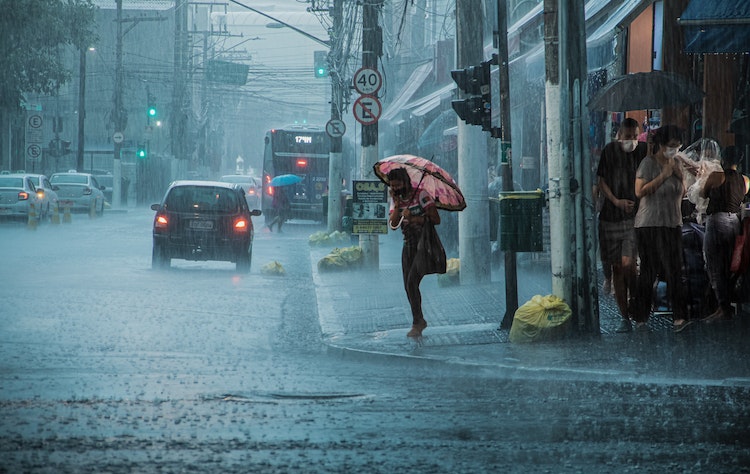
Toledo, Ohio, with its unique geographical location and distinctive climatic patterns, indeed faces a heightened risk of flooding. The city's proximity to various water bodies and its climate contribute to its vulnerability to such disastrous events. The diverse weather patterns and the topology of the region have often converged to produce conditions conducive to flooding, impacting both urban and rural locales within and around Toledo. Consequently, it becomes pivotal for the residents to stay informed and prepared to mitigate the adverse effects associated with such calamities effectively.
In understanding Toledo's susceptibility to floods, it’s essential to delve into the intricate interplay of the natural and man-made elements that define the city’s landscape. Knowledge of the city's flood patterns, protective measures, and preparedness strategies is crucial for the residents to navigate through these challenges resiliently. A well-informed approach and a keen awareness of the potential risks and suitable protective measures are instrumental in safeguarding the community’s interests and ensuring the well-being of the residents of Toledo, Ohio.
Causes of Flooding in Toledo
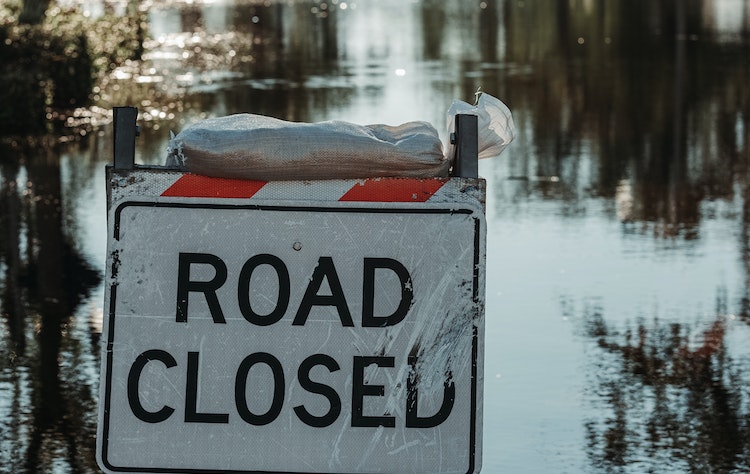
Understanding the causes of flooding in Toledo requires a detailed look at various contributing factors, each playing a critical role in creating conditions conducive to flooding. The causes are multifaceted, encompassing climatic conditions, geographical factors, and human activities, all of which intersect to shape the flood dynamics in the city.
Toledo Climatic Conditions
Toledo experiences a range of weather patterns, each with its inherent potential to induce flooding. Heavy rainfall and rapid snowmelt, fueled by the city’s diverse climatic conditions, are primary contributors to increased water levels in local water bodies, leading to flooding situations in various parts of Toledo.
Toledo Geographical Factors
The geographical positioning of Toledo, marked by its proximity to Lake Erie and the Maumee River, accentuates its vulnerability to flooding. The city's topography, combined with the natural water flow patterns, influences the extent and severity of the flood occurrences, with low-lying areas facing a higher risk.
Human Activities
Human-induced factors, such as urbanization, deforestation, and land-use changes, exacerbate the flood risks in Toledo. The modification of natural landscapes and watercourses for developmental purposes alters the water drainage patterns, leading to more frequent and severe flooding events in the region.
Toledo’s susceptibility to floods is a complex interplay of its climatic conditions, geographical setup, and human activities. The varying weather patterns, coupled with the city's location near significant water bodies and human alterations to the landscape, amalgamate to form the overarching flood scenario in Toledo. Understanding these causes is crucial for implementing effective protective measures and mitigating the impacts of such events on the city and its residents.
To effectively address and manage the flooding risks in Toledo, a holistic approach considering all the contributory elements is essential. The combination of informed community awareness, strategic planning, and sustainable practices can substantially mitigate the adverse impacts of flooding. The cooperative endeavor of the residents, along with the local authorities, can contribute to building a resilient Toledo, capable of withstanding the challenges posed by the intricate web of flood-causing factors.
Impact of Toledo Flooding
Toledo, with its geographical nuances and climatic peculiarities, faces various impacts due to flooding. The ramifications are extensive, affecting the city's structural integrity, economic vitality, and the mental well-being of its residents. These impacts necessitate comprehensive strategies to mitigate damage and foster resilience in the face of recurring floods.
Material Damage to Toledo
Flooding in Toledo precipitates substantial material damage, affecting homes, infrastructure, and public facilities. The proximity to Lake Erie and the Maumee River often results in water inundation, causing destruction to buildings and roads. This compromises the structural integrity of the city's establishments, necessitating extensive repairs and reconstructions.
Effect on the Toledo Economy
The economic repercussions of flooding in Toledo are considerable, influencing various sectors such as commerce, agriculture, and services. Businesses face operational disruptions, and agricultural lands suffer from decreased productivity due to waterlogged conditions. The resultant economic strain affects employment, revenues, and overall economic stability in the region.
Social and Psychological Impact
The societal and psychological ramifications of floods are profound. The distress and trauma induced by the loss of homes and livelihoods linger in the community, affecting mental health. Additionally, the social fabric of Toledo faces strains with the displacement of residents, community disruptions, and the challenges of rebuilding communal ties in the aftermath of the floods.
The multifaceted impact of floods in Toledo reaches beyond immediate material damage, extending to long-term economic, social, and psychological consequences. The challenges posed by these recurring natural disasters require a concerted effort from the community and local authorities to rebuild, recover, and fortify the city against future flooding events, prioritizing the well-being and resilience of its residents.
In grappling with the diverse impacts of flooding, the resilience and communal spirit of Toledo's residents are paramount. It is this collective strength and unity that fuel the city's recovery and rebuilding endeavors. By addressing the multifarious impacts and working towards robust protective measures, Toledo can navigate the challenges posed by floods and emerge stronger, fostering a resilient and harmonious community.

Toledo Response and Relief Efforts
In response to the recurring floods, the city of Toledo has enacted numerous relief efforts and measures, aimed at providing immediate aid to the affected residents and to facilitate swift recovery and rehabilitation. These efforts showcase the city’s commitment to ensuring the safety and well-being of its inhabitants.
Toledo Governmental Response
The local government of Toledo plays a pivotal role in orchestrating and implementing relief operations. It mobilizes resources, coordinates with various agencies, and oversees the provision of essential services to the flood-affected areas. Emergency services, temporary shelters, and food supplies are swiftly arranged to aid those impacted, emphasizing the quick and efficient governmental response.
Relief Efforts for Flooding in Toledo
Beyond immediate governmental response, numerous local organizations, NGOs, and volunteers converge to assist in relief operations. These collective efforts focus on providing essential goods, medical assistance, and counseling services to the affected individuals. The city witnesses a surge of communal support, with residents and local groups working hand-in-hand to alleviate the hardships induced by the floods.
Support for Affected Residents
Support for the residents affected by flooding is multifaceted, combining both immediate aid and long-term assistance. Counseling and psychological support are offered to help individuals cope with the trauma and stress associated with the floods. Furthermore, initiatives aimed at rebuilding and rehabilitation are launched to restore normalcy and ensure the sustained well-being of Toledo’s residents.
Toledo’s holistic approach to flood response is evident in the multipronged efforts orchestrated by the local government, community organizations, and the residents themselves. The amalgamation of immediate aid, long-term support, and psychological assistance underscores Toledo’s commitment to fostering resilience and recovery in the aftermath of flooding events.
Toledo, resilient and unified, demonstrates a commendable spirit in the face of the adversities posed by flooding. The coordinated relief efforts, the support extended to the affected, and the enduring spirit of the community, all signify the city's resolve to overcome challenges and rebuild. It is this unyielding spirit and collective action that will continue to steer Toledo towards recovery and resilience, ensuring its vibrancy and vitality for years to come.
Toledo Prevention and Mitigation Strategies
Toledo’s strategic location by the western edge of Lake Erie makes it vulnerable to floods; however, proactive prevention and mitigation strategies are crucial in managing and reducing the potential impacts of these natural disasters. Through a combination of infrastructural improvements, advanced planning, and community awareness programs, Toledo aims to fortify its resilience against floods.
Flood Control Measures in Toledo
Toledo has instituted a series of flood control measures to mitigate the risks associated with flooding. These include the construction and maintenance of dams, levees, and stormwater management systems, which are pivotal in regulating water flow and preventing overflow into residential and commercial areas. These infrastructural developments are complemented by regular maintenance and upgrades to ensure their efficacy and reliability in flood control.
Improvements and Future Strategies
To bolster its defensive stance against floods, Toledo is continuously working on improvements and innovative strategies. Research and development in flood management technologies and methodologies are ongoing, aiming to incorporate advanced solutions that can enhance the city’s resilience. Future strategies also focus on sustainable urban development, ecological conservation, and comprehensive land-use planning to further mitigate flood risks.
Toledo Flood Preparedness
Community involvement and preparedness are integral components of Toledo’s flood mitigation strategy. Regular drills, public awareness campaigns, and educational programs are conducted to equip the residents with the knowledge and skills needed to act effectively during flood events. By fostering a culture of preparedness and resilience, Toledo ensures that its community is well-informed and ready to respond to flooding scenarios.
Toledo's comprehensive approach to flood prevention and mitigation encompasses infrastructural advancements, continual improvements, and heightened community preparedness. By integrating these multifaceted strategies, Toledo is enhancing its resilience and adaptability, striving to protect its residents and properties from the potentially devastating impacts of floods.
In the face of recurrent flood risks, Toledo’s relentless pursuit of effective prevention and mitigation strategies is commendable. The amalgamation of advanced control measures, forward-thinking strategies, and a well-prepared community illustrates the city's commitment to fostering a safe and resilient environment. The collective endeavors of the government, local organizations, and the residents themselves will continue to fortify Toledo against the ramifications of flooding, paving the way for a secure and prosperous future.

Keeping You and Your Family Safe During a Flood
In Toledo, located by the shores of Lake Erie, ensuring the safety of oneself and one's family during a flood is of paramount importance. Being armed with the right knowledge and taking the correct actions can significantly decrease the risks associated with flooding, enabling residents to safeguard their lives and properties more effectively.
What to do During a Flood in Toledo
For residents of Toledo, it's vital to be well-informed and prepared for potential flood scenarios. Individuals should stay tuned to local news for real-time updates and follow any evacuation orders promptly. Seeking higher ground is crucial when stranded in a flood scenario, and avoiding areas like underpasses and basements can prevent encounters with rising water levels. Moreover, turning off utilities at the main switches and avoiding contact with floodwater, due to potential contamination, are also essential steps to enhance safety during a flood in Toledo.
Flood safety in Toledo entails staying informed, following directives, and taking prudent actions to avoid the risks associated with floods. By adhering to recommended safety practices and precautions, Toledo residents can better protect themselves and their families during such natural disasters, ensuring a more secure and responsive community in the face of flooding challenges.
Final Reflections on Toledo's Flood Resilience
Toledo’s proximity to Lake Erie and its diverse topography make it susceptible to floods, necessitating comprehensive protective tips and insights for the residents. The residents and local authorities alike play crucial roles in managing the effects and aftermath of floods, focusing on reducing material damage and supporting affected individuals in rebuilding their lives. The synergy between local government response, relief efforts, and community resilience is integral to navigating through the challenges posed by floods in Toledo effectively and fostering a safer environment.
In light of Toledo’s geographical and climatic conditions, having well-orchestrated prevention and mitigation strategies is crucial. The flood control measures and improvements in place reflect Toledo’s commitment to proactively addressing flood-related issues. By remaining informed about the various aspects of flood safety and adhering to recommended protective measures, the residents of Toledo can contribute to building a resilient community capable of withstanding the impacts of future flood events.
Our Community Partners - Going Above and Beyond
Flood Safety Updates
Sign up to our newsletter and receive updates on the latest flood safety tips.
latest updates, discounts, and promotional offers.
