
Kirkland Flooding: Risks & Safety Information
Stay informed about Kirkland floods. Access essential safety guidance, impact details, and resources to mitigate risks and damages effectively.
Kirkland, Washington, nestled on the shores of Lake Washington, is no stranger to the challenges presented by flooding, with its residents well-acquainted with the risks involved. This article, “Kirkland Flooding: Risks & Safety Information,” seeks to elucidate the various facets of flooding in the area, enhancing understanding and promoting safety within the community. The inherent risk of flooding in Kirkland necessitates a comprehensive exploration of preventive measures, emergency responses, and community resilience. By delving into the specifics of flood risks and safety in Kirkland, the article aims to empower residents with valuable insights to navigate these natural occurrences effectively.
The weather patterns and climate in Kirkland contribute significantly to the flooding scenarios observed in the region. It is essential to contextualize these flood events, acknowledging the interplay between environmental conditions and the emergence of floods, to devise effective strategies for mitigation and response. Understanding the distinct climatic conditions specific to Kirkland is crucial in anticipating and preparing for potential flood risks. The forthcoming discussions and analyses will serve as a vital resource for residents, shedding light on the intricacies of flood management and safety in the distinctive environment of Kirkland.
Is Kirkland, Washington Susceptible to Flooding?
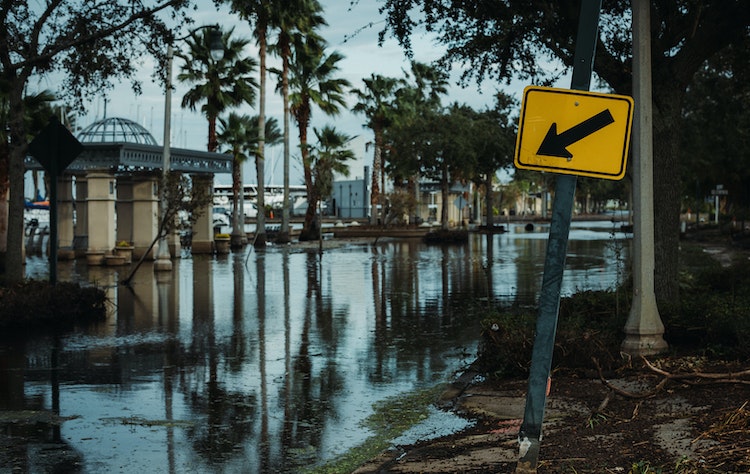
Kirkland, Washington, with its proximity to water bodies and varying terrains, indeed exhibits a vulnerability to flooding. The city’s geographical location and environmental conditions render it susceptible to floods, especially during periods of substantial rainfall and severe weather events. Residents have experienced this susceptibility firsthand, with various neighborhoods witnessing the repercussions of elevated water levels. Understanding this predisposition is crucial for effective flood management and the implementation of adequate safety measures within the city.
However, acknowledging this susceptibility is the first step in fostering a resilient community. By being cognizant of the risks, residents, local authorities, and stakeholders can work collaboratively to enhance preparedness and reduce the impact of floods. A commitment to ongoing awareness, preparedness initiatives, and infrastructural developments is vital for mitigating the effects of flooding and safeguarding the well-being of the Kirkland community.

Causes of Flooding in Kirkland
Flooding in Kirkland can be attributed to various factors, all contributing to the altering water levels and flow within the city’s confines. This section delves into the underlying causes, exploring the climatic conditions, geographical factors, and human activities that play pivotal roles in the occurrence of floods in the area.
Kirkland Climatic Conditions
The climate in Kirkland, characterized by substantial rainfall especially during the fall and winter months, is a significant contributor to the city's flood situations. Heavy rains can lead to the saturation of the ground, causing runoff that can overwhelm the city’s drainage systems, leading to surface water flooding.
Kirkland Geographical Factors
Kirkland’s geographical layout, with its proximity to Lake Washington and various smaller water bodies, elevates its flood risk. The city’s topology, consisting of low-lying areas and hilly terrains, can also facilitate water accumulation and runoff, causing localized flooding, especially in lower elevated regions.
Human Activities
Human activities, including urbanization and land-use changes in Kirkland, have also impacted the natural water flow. The development of impermeable surfaces such as roads and buildings restricts the ground’s ability to absorb water, leading to increased surface runoff and, consequently, flooding.
In Kirkland, it’s crucial to discern the multifaceted causes of flooding in order to develop and implement robust strategies aimed at mitigating risks and safeguarding the community. By addressing the climatic, geographical, and human-induced factors, the city can reinforce its resilience against the adverse impacts of flooding.
Balanced consideration and meticulous management of these identified causes are indispensable for formulating effective flood mitigation strategies. By recognizing and addressing these distinct contributors to flooding, Kirkland can significantly ameliorate its vulnerabilities, ensuring a safer and more resilient environment for its residents.
Impact of Kirkland Flooding
The impacts of flooding in Kirkland resonate deeply within the community, affecting various facets of city life. This section provides an insight into the material, economic, and socio-psychological repercussions experienced by the city and its inhabitants due to flood events.
Material Damage to Kirkland
Flooding in Kirkland leads to substantial material damage, affecting homes, infrastructure, and public facilities. The proximity to water bodies and the region's topography expose the city to significant water inundation, impacting buildings and other structures, and necessitating extensive repairs and rebuilding efforts.
Effect on the Kirkland Economy
The local economy of Kirkland also bears the brunt of flooding events. Small businesses, especially those situated in flood-prone areas, often face disruptions in operations and financial strains due to damages and loss of business. Moreover, the cost associated with infrastructure repair and reconstruction can place an additional burden on the city’s economic resources.
Social and Psychological Impact
The societal and psychological toll of flooding is also evident among the residents of Kirkland. The loss of homes and livelihoods can lead to stress and anxiety among the affected individuals. Community cohesion can be tested as residents work together to rebuild and recover, and the shared experience of overcoming adversity can also foster a sense of unity and resilience within the community.
Flooding in Kirkland brings multifarious impacts, ranging from material losses to profound changes in the social fabric. A holistic understanding of these impacts is crucial for implementing effective measures to mitigate damage and support the well-being of the community during such adversities.
The extent of flooding impacts in Kirkland underscores the imperative of continuous efforts to mitigate risks and bolster resilience. The cooperation among community members, local authorities, and other stakeholders is vital in navigating the challenges posed by flooding and ensuring the enduring vibrancy and prosperity of Kirkland.

Kirkland Response and Relief Efforts
The ramifications of flooding in Kirkland necessitate concerted response and relief efforts. This section delves into the initiatives undertaken by the local government, the collective relief endeavors in the region, and the support provided to affected residents to alleviate the impacts of flooding.
Kirkland Governmental Response
In the aftermath of flooding, the Kirkland government mobilizes swiftly to address the immediate needs of the affected populace. Emergency services are deployed promptly to conduct rescue operations, and temporary shelters are established to accommodate displaced residents. Additionally, resources are allocated efficiently to facilitate the rapid restoration of essential services and infrastructure.
Relief Efforts for Flooding in Kirkland
The collaborative relief efforts in Kirkland involve various organizations and community groups working together to provide assistance to those affected by flooding. Volunteer initiatives, food drives, and donation campaigns are organized to offer immediate relief, while long-term support mechanisms are developed to assist in the recovery and rebuilding processes.
Support for Affected Residents
The support for residents impacted by flooding in Kirkland is multifaceted. Psychological support services are made available to address mental health concerns arising from the traumatic experiences, and financial aid is provided to help residents rebuild their lives. Additionally, community-based support networks are strengthened to foster a sense of solidarity and mutual assistance among the residents.
Kirkland’s approach to managing the consequences of flooding is marked by a communal spirit and a commitment to resilience. The collective endeavors aim not only at providing immediate relief but also at ensuring the long-term well-being and recovery of the affected residents.
The comprehensive response and relief framework in Kirkland exemplify the community’s resilience and unity in facing the challenges posed by flooding. The sustained efforts and mutual support within the community are crucial in rebuilding and reinforcing the city’s capacity to cope with future flood events, fortifying Kirkland against the multifaceted impacts of such disasters.
Kirkland Prevention and Mitigation Strategies
The strategic approach to flooding in Kirkland is focused on implementing robust prevention and mitigation strategies to manage the risks associated with these disasters. This section outlines the various flood control measures instituted in Kirkland, improvements and prospective strategies being considered, and the overall preparedness of the city in dealing with flood events.
Flood Control Measures in Kirkland
Kirkland employs a myriad of flood control measures designed to minimize the impact of flooding within the city. These include the construction of levees and dams to control water flow and the development of stormwater management systems to prevent urban flooding. Additionally, floodplain management practices are in place to regulate development in flood-prone areas, reducing the risk of significant damage during flood events.
Improvements and Future Strategies
Kirkland is constantly reviewing and enhancing its flood mitigation strategies to address evolving challenges and risks. Current improvements involve upgrading existing flood control structures and implementing advanced forecasting technologies to improve response times. The city is also exploring innovative solutions and sustainable practices to bolster its resilience against future flooding scenarios, emphasizing ecological preservation and community involvement.
Kirkland Flood Preparedness
To fortify the city against the hazards of flooding, Kirkland emphasizes community preparedness. Public awareness campaigns educate residents about flood risks and safety measures, and emergency response plans are regularly updated and tested. Furthermore, training programs and resources are provided to equip residents and local authorities with the necessary skills and knowledge to respond effectively to flood situations.
Kirkland’s proactive stance on flood prevention and preparedness is indicative of its commitment to safeguarding the community against the detrimental effects of flooding. These meticulous strategies are instrumental in enhancing the city’s resilience, ensuring the safety and well-being of its residents in the face of flood-related adversities.
The ongoing initiatives in Kirkland underscore the significance of holistic and sustainable approaches in managing flood risks. By intertwining engineering solutions with ecological considerations and community engagement, Kirkland is not only mitigating the immediate impacts of flooding but also fostering a resilient and environmentally conscious community capable of navigating the challenges posed by future flood events.

Keeping You and Your Family Safe During a Flood
Navigating through flood events necessitates profound awareness and preparedness, especially in regions like Kirkland, which face distinct challenges due to their geographical and climatic conditions. This section delves into the essential steps and precautions that individuals in Kirkland should adopt during a flood, aiming to bolster personal safety and mitigate damage.
What to do During a Flood in Kirkland
Residents of Kirkland are advised to stay informed about the flood risk in their area by monitoring local news and weather updates regularly. Knowing the evacuation routes and having an emergency kit ready are crucial. During a flood, it's essential to avoid walking or driving through floodwaters, and individuals should seek higher ground immediately. Kirkland’s local authorities provide regular advisories and support, guiding residents on the best course of action during such critical situations.
Staying vigilant and adhering to safety protocols is paramount for the residents of Kirkland during floods. By following the guidelines provided by local authorities and maintaining a high level of preparedness, individuals can significantly reduce the risk of harm and ensure the well-being of themselves and their loved ones.
In essence, the commitment to safety and awareness in Kirkland is manifest in the concerted efforts of its residents and local authorities. The emphasis on preparedness and adherence to recommended safety measures during floods reflects the community's resilience and collective responsibility. Through cooperative endeavors, Kirkland continues to enhance its capacity to confront and overcome the challenges posed by flood events, safeguarding the well-being and future of its populace.
Reflecting on Kirkland’s Resilience
The challenges posed by flooding in Kirkland underscore the vital need for community awareness, preparedness, and resilience. The city’s geographic and climatic conditions necessitate continual efforts in mitigation strategies, emergency responsiveness, and public education on flood safety. The residents, in tandem with local authorities, actively engage in fostering a safer environment, utilizing extensive resources and strategic planning to counteract the adversities of flooding.
Kirkland's approach to addressing flooding concerns is marked by a collective responsibility and proactive engagement, ensuring the well-being and security of its residents. The shared pursuit of establishing a resilient community reinforces Kirkland’s commitment to overcoming the inherent risks of flooding, thereby safeguarding the city's vibrant life, economy, and the future of its citizens.
Our Community Partners - Going Above and Beyond
Flood Safety Updates
Sign up to our newsletter and receive updates on the latest flood safety tips.
latest updates, discounts, and promotional offers.
