
Santa Ana Flooding: Safety & Impact Info
Discover latest flood risks in Santa Ana. Read about impacts, safety protocols, and preventive measures to safeguard your surroundings.
Santa Ana, a vibrant city in California, is no stranger to the repercussions of flooding, presenting a critical necessity for comprehensive insights into safety protocols and the potential impacts. The diverse topographical and climatic nuances of the city play a pivotal role in shaping the flood dynamics, creating an intricate interplay between natural predispositions and the resultant manifestations of flooding. Understanding this, it becomes crucial to delve into an analysis of flooding within Santa Ana to unravel the multifaceted aspects of these occurrences. The exploration of these aspects is vital, ensuring the residents of Santa Ana are well-versed in proactive measures and informed of the cascading impacts associated with flood events.
The city of Santa Ana experiences unique weather patterns, and these climatic intricacies contribute significantly to the city's flooding scenario. By correlating these specific climatic elements to flooding events, a nuanced perspective emerges, laying the foundation for a more profound comprehension of flood-related consequences in the region. This article titled "Santa Ana Flooding: Safety & Impact Info" aims to be an enlightening source of information, shedding light on the various dimensions of flooding in Santa Ana, ranging from safety measures to the broader impacts, enriching the community’s understanding and preparation for such natural occurrences.
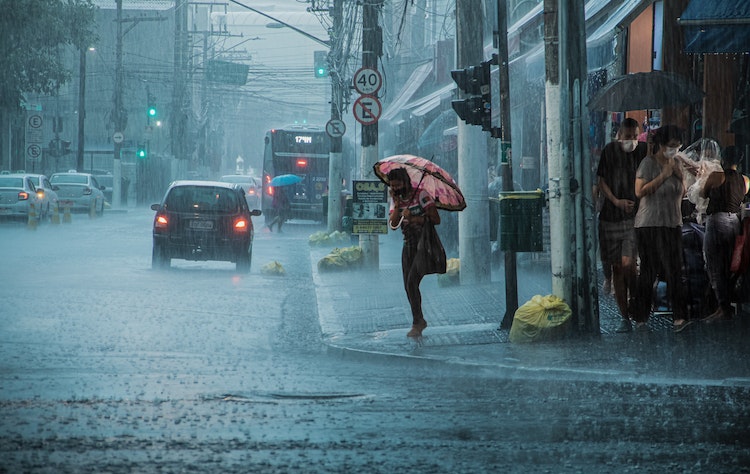
Is Santa Ana, California Susceptible to Flooding?
Santa Ana, located in Southern California, indeed grapples with the potential risks of flooding, primarily due to its distinctive geographical and climatic conditions. The city's geographical layout and proximity to water bodies play a crucial role in determining its susceptibility to floods. This vulnerability is further accentuated by occasional heavy rainfall and sudden cloudbursts, making it imperative for the city's residents to remain vigilant and be well-equipped with the necessary information and safety measures to counter such natural disasters effectively.
The fluctuating weather patterns specific to Santa Ana contribute to the city's heightened flood susceptibility. The topographical variations coupled with climatic peculiarities render the region prone to experiencing floods. To counter these natural calamities, continuous efforts are directed towards developing comprehensive flood management strategies and improving the existing infrastructural mechanisms in Santa Ana. The residents are encouraged to stay informed about the city's flood-related developments and actively participate in community-based preparedness initiatives to mitigate the risks associated with flooding.

Causes of Flooding in Santa Ana
Santa Ana, a city noted for its unique geographical location and climatic conditions, faces multiple sources of flood risks. This section delves into the various causes that make Santa Ana susceptible to flooding, highlighting the crucial factors such as the city’s weather patterns, geographical aspects, and human-induced activities that contribute to its flooding scenario.
Santa Ana Climatic Conditions
Santa Ana experiences variable weather patterns that significantly impact the city's flood situations. The occasional heavy rainfall and storms can rapidly intensify the water levels in the city, leading to flooding in several areas. These climatic conditions necessitate enhanced preparedness and response mechanisms to address the rising water levels and ensure the safety of Santa Ana’s residents.
Santa Ana Geographical Factors
The city's unique geographical factors also play a pivotal role in determining its susceptibility to floods. Proximity to water bodies and specific landscape features contribute to water accumulation, especially during intense rainfall events. These geographical nuances are integral to understanding the flooding patterns in Santa Ana and necessitate strategic planning for flood mitigation.
Human Activities
Human-induced activities are another contributing factor to the flooding issues in Santa Ana. Urbanization, improper waste disposal, and inadequate water management systems can exacerbate the flooding risks. The modification of natural landscapes for development purposes often leads to altered water flow, subsequently increasing the probability of floods within the city.
The diverse climatic conditions, distinctive geographical features, and human activities collectively formulate the flood scenarios in Santa Ana. A holistic approach, considering all these factors, is crucial to mitigating the flood risks and safeguarding the well-being of the city’s inhabitants. The informed and proactive participation of Santa Ana’s community members, along with strategic initiatives from the local authorities, can significantly minimize the adverse impacts of flooding.
Impact of Santa Ana Flooding
Flooding in Santa Ana has profound implications, spanning material, economic, and psychosocial domains. In this section, we will explore the extensive damage and far-reaching impacts that flooding events can have on the city of Santa Ana and its residents, focusing on material losses, economic repercussions, and the societal and psychological toll inflicted on the community.
Material Damage to Santa Ana
Flooding invariably brings substantial material damage to Santa Ana, affecting residential, commercial, and public properties. The inundation of water can compromise the structural integrity of buildings, disrupt utility services, and lead to the loss of personal belongings. The extensive material damage necessitates significant repair and reconstruction efforts, placing a substantial burden on residents and the local government.
Effect on the Santa Ana Economy
The economic impact of flooding in Santa Ana is multifaceted. Local businesses often bear the brunt, experiencing disruptions in operations, loss of inventory, and reduced consumer traffic. The ripple effect extends to the broader economy, affecting employment and income levels, and requiring substantial financial resources for recovery and rehabilitation efforts, thus impacting the economic vitality of Santa Ana.
Social and Psychological Impact
Beyond the tangible losses, the residents of Santa Ana experience considerable social and psychological impacts due to flooding. The distress and trauma associated with experiencing a flood can have lasting effects on individuals’ mental well-being. Community bonds may be strained as residents navigate the challenges of displacement, loss, and recovery, highlighting the need for supportive interventions and community resilience initiatives.
The effects of flooding in Santa Ana are pervasive, touching every facet of life in the city. The multidimensional impact underscores the urgency for comprehensive flood management strategies and resilient community building to mitigate the substantial material damage, economic repercussions, and psychological distress associated with flooding events. By addressing these diverse impacts, Santa Ana can better navigate the challenges posed by flooding and foster a resilient and supportive community environment.

Santa Ana Response and Relief Efforts
The city of Santa Ana, known for its robust and resilient community, has exhibited extensive response and relief efforts in the wake of flooding. These endeavors are crucial in addressing the immediate needs and long-term recovery of affected residents. The subsequent sections will delve into the governmental response, the varied relief efforts undertaken in Santa Ana, and the support available to the residents impacted by these flooding events.
Santa Ana Governmental Response
The government of Santa Ana plays a pivotal role in orchestrating responsive actions to alleviate the aftermath of flooding. Emergency services are promptly deployed to ensure the safety and well-being of the residents, while recovery plans are formulated to address the damages and disruptions. The collaborative approach adopted by local authorities, nonprofits, and community organizations enhances the efficacy and reach of the remedial measures, fostering a sense of solidarity and resilience within the community.
Relief Efforts for Flooding in Santa Ana
A myriad of relief efforts unfolds in Santa Ana post-flooding, ranging from immediate rescue operations to long-term recovery initiatives. Numerous agencies and volunteers converge to provide essential services, supplies, and support to those affected. These relief endeavors aim to restore normalcy and rebuild the lives of the residents, underscoring the communal spirit and the collective resolve of Santa Ana to overcome adversities.
Support for Affected Residents
Affected residents in Santa Ana receive multifaceted support, encompassing shelter, food, medical aid, and psychological counseling. This holistic approach is instrumental in addressing the diverse needs and challenges encountered by the individuals impacted by flooding. The amalgamation of community support and institutional aid facilitates the healing and rebuilding process, reinforcing the resilience and unity inherent to Santa Ana.
Santa Ana’s robust response and relief efforts highlight the city’s commitment to its residents and their well-being. The multifaceted support and the collaborative endeavors of government agencies, community organizations, and volunteers underscore Santa Ana’s resilience and communal strength. It is this cohesive and compassionate approach that propels the city forward, fostering hope and recovery in the wake of flooding challenges.
Santa Ana Prevention and Mitigation Strategies
Strategizing prevention and mitigation is paramount for addressing the flooding concerns in Santa Ana. The city’s endeavors in flood control measures, improvements, and preparedness are essential components in safeguarding the community and its assets against the inevitable flood occurrences. The subsequent sections will illustrate the varied strategies and preparedness measures specifically tailored for Santa Ana to counteract the impacts of flooding effectively.
Flood Control Measures in Santa Ana
Santa Ana employs a spectrum of flood control measures designed to minimize the impact and frequency of flooding within the city limits. Implementation of stormwater management systems, construction of levees, and maintenance of drainage networks are part of the city’s ongoing efforts. These initiatives are integral in diverting floodwaters, thereby reducing the risk of inundation and subsequent damage to both public and private properties.
Improvements and Future Strategies
The city of Santa Ana continually refines its flood control strategies, focusing on technological enhancements and infrastructural developments. Future strategies entail comprehensive assessments to identify vulnerable areas and the integration of innovative solutions to bolster the existing flood control framework. This forward-thinking approach ensures the sustainability and resilience of Santa Ana in the face of escalating flood risks due to climatic variations and urban expansion.
Santa Ana Flood Preparedness
Flood preparedness in Santa Ana extends beyond infrastructural fortifications. The city prioritizes community awareness and education, facilitating access to information, resources, and training for its residents. These endeavors empower the community to act promptly and effectively during flood events, ensuring the safety and well-being of individuals and mitigating the potential damages and disruptions associated with flooding.
To encapsulate, the proactive and comprehensive approach to flood prevention and mitigation by Santa Ana epitomizes the city's commitment to fostering a safe and resilient environment. The amalgamation of innovative improvements, meticulous planning, and community empowerment is indicative of Santa Ana's dedication to mitigating flood impacts and safeguarding its residents and their assets against the uncertainties of the future. The cohesive efforts in preparedness and strategic advancements underline the city's resolve to face the challenges of flooding with vigilance and unity.

Keeping You and Your Family Safe During a Flood
The well-being of residents during flood events is a top priority for Santa Ana. The subsequent sections offer insight into effective strategies and recommendations specifically designed to ensure safety for families in Santa Ana during floods, emphasizing the importance of preparation, awareness, and prompt response in navigating the challenges posed by flooding scenarios.
What to do During a Flood in Santa Ana
In Santa Ana, it is imperative for residents to be acquainted with the essential actions to undertake during a flood. Initially, staying informed about the weather conditions and flood warnings is crucial. Residents should be prepared to evacuate if needed, ensuring that they have an emergency kit readily available. It’s also essential to avoid driving or walking through floodwaters and to stay clear of downed power lines. Additionally, residents should follow the instructions and advisories from local authorities and remain vigilant to ensure personal safety and the safety of others.
Ensuring the safety of families in Santa Ana during floods is contingent upon a collective understanding and adherence to recommended actions and guidelines. The cohesive efforts of the community, coupled with individual preparedness and responsiveness, serve as the linchpin for minimizing risks and navigating the repercussions of flood events effectively. The sustained commitment of Santa Ana residents to safety protocols and mutual assistance is a testament to the community’s resilience and solidarity in facing the challenges posed by floods.
Reflecting on Safety and Impact
Understanding the multifaceted impacts of flooding in Santa Ana is pivotal for both individual and communal resilience. The cascading effects on the economy, infrastructure, and the psychological well-being of residents underline the importance of awareness and preparedness. By keeping abreast of the developments and safety guidelines related to flooding, Santa Ana residents can mitigate risks and respond effectively, ensuring their well-being and the protection of their assets.
Additionally, continuous efforts and advancements in preventive and mitigative strategies are crucial in reinforcing the city’s defenses against flooding. The collaboration between local government, community members, and relevant organizations enhances Santa Ana’s capability to manage and recover from the potential ramifications of flood events, fostering a resilient and informed community.
Our Community Partners - Going Above and Beyond
Flood Safety Updates
Sign up to our newsletter and receive updates on the latest flood safety tips.
latest updates, discounts, and promotional offers.
