
Nashville Floods: Impacts & Safety Guide
Delve into the effects of floods in Nashville. Acquire insights on the risks, preventive actions, and essential safety recommendations for locals.
Nashville, the vibrant capital of Tennessee, has experienced its share of challenges with flooding, profoundly affecting its communities. The city's encounters with floods have brought forth serious considerations regarding the impacts and safety measures essential to mitigate the repercussions of such natural calamities. The varying weather patterns and climatic conditions intrinsic to the Nashville area play a pivotal role in the occurrence of these floods, making it crucial for residents and authorities to be well-versed in both preventive and responsive strategies. By delving into the subject, this article seeks to provide a comprehensive insight into the multifaceted impacts of floods in Nashville and guide on the pertinent safety measures.
In the quest to comprehend the dynamics of flooding in this region, a meticulous exploration of the interplay between geographical aspects and human activities is imperative. Nashville’s unique topography and water systems intermingle with urban development and environmental factors, collectively contributing to the flood scenarios witnessed in the area. The ensuing discourse aims to shed light on the spectrum of impacts and the ensuing safety protocols vital for the well-being of Nashville’s populace. An in-depth reflection on these elements serves as a beacon for fostering resilience and preparedness, ensuring the collective safety and continuity of the vibrant life inherent to Nashville.
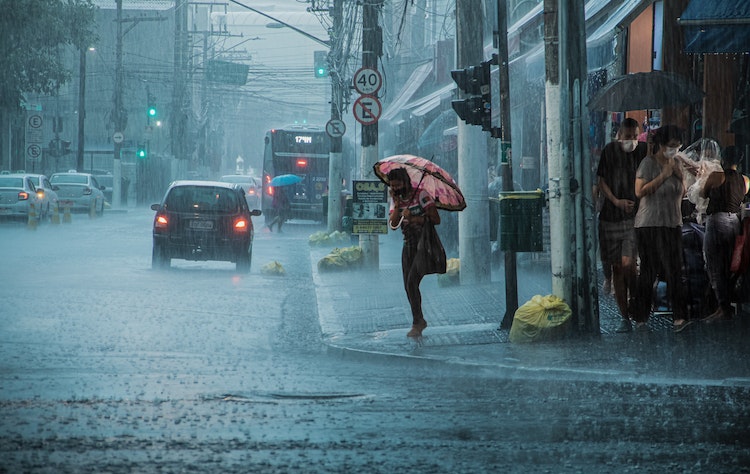
Is Nashville, Tennessee Susceptible to Flooding?
Nashville, renowned for its rich cultural tapestry, does indeed face susceptibility to flooding due to a combination of geographical, climatic, and environmental factors. The city’s proximity to multiple water bodies and its topography make it a focal point for water accumulation, particularly during periods of heavy rainfall. The intertwining rivers and streams, coupled with urban development, can lead to scenarios where water pathways are obstructed, amplifying the risk of floods. Additionally, the local weather patterns characteristic to Nashville, marked by occasional heavy downpours, further escalate the flood vulnerability in the area.
Addressing the vulnerability of Nashville to flooding is crucial, not just for the safety of its residents, but also for the preservation of its cultural and economic vitality. The array of impacts stemming from flooding necessitates a robust understanding of preventive measures and responsive strategies, tailored to Nashville's unique landscape and environmental context. These considerations are fundamental in fostering a resilient community that can navigate and recover from the challenges posed by flooding, ensuring the enduring vibrancy and prosperity of Nashville.

Causes of Flooding in Nashville
Nashville, known as the heart of country music, experiences flooding due to a variety of interconnected factors. The city's unique combination of climatic conditions, geographical elements, and human activities synergistically contribute to its flooding scenarios, impacting the daily lives of its residents and the overall vibrancy of the city.
Nashville Climatic Conditions
Nashville's weather patterns play a significant role in the city's susceptibility to flooding. The area is no stranger to heavy rainfalls and thunderstorms, which can swiftly saturate the ground and overwhelm the city’s drainage systems. These climatic conditions, combined with sudden and intense rainfall, can quickly escalate the likelihood of flood events within the city limits, impacting both urban and rural areas.
Nashville Geographical Factors
The geography of Nashville, dotted with rivers and streams, is another crucial component contributing to flood scenarios. The city’s proximity to the Cumberland River, along with its relatively flat topography, makes it particularly vulnerable to flooding, especially during periods of sustained heavy rainfall. The water bodies intertwined throughout Nashville can easily swell beyond their banks, inundating adjacent areas and properties.
Human Activities
Human-induced alterations to the landscape and environment of Nashville also play a substantial role in shaping its flood risk. Urban development and land-use changes can disrupt the natural water flow, leading to increased runoff and reduced water absorption capacity of the soil. These modifications, combined with inadequate stormwater management practices, can exacerbate flooding events, imposing additional pressures on the city’s infrastructure and ecosystems.
Nashville's encounter with floods is the result of a confluence of climatic conditions, geographical setup, and human interventions. Understanding the intricate interplay of these factors is essential for developing effective strategies to manage and mitigate the impacts of flooding, ensuring the safety and well-being of the Nashville community and preserving the cultural richness and economic stability of the city.
Impact of Nashville Flooding
Flooding in Nashville has long-lasting repercussions that permeate various aspects of life in the city. The effects are widespread, causing material damage, economic disruptions, and leaving a significant social and psychological imprint on the residents of this musically vibrant city.
Material Damage to Nashville
The floods in Nashville wreak havoc, leading to extensive material damage across the city. Homes, businesses, and iconic landmarks such as the Grand Ole Opry House experience significant destruction. The inundation leads to the compromise of structural integrities, causing residents and business owners to bear the brunt of repair and restoration costs. This damage not only affects individual property owners but also impacts the overall aesthetic and historical value of the city.
Effect on the Nashville Economy
The economic landscape of Nashville faces substantial disruptions due to flooding events. The city, with its rich musical heritage and booming tourism industry, experiences substantial losses as floods affect local businesses, entertainment venues, and hospitality sectors. The resultant loss of income and increased expenditure for recovery measures strain the financial well-being of the community and can have lingering effects on the economic vibrancy of the city.
Social and Psychological Impact
The social fabric of Nashville also bears the impact of the floods. Residents experience distress and upheaval as they deal with the loss of homes and livelihoods. The sense of community is tested as people rally together to support one another, building resilience and forging stronger bonds in the aftermath. The psychological toll is immense, with individuals grappling with stress, anxiety, and the emotional aftermath of experiencing such a traumatic event.
The impacts of flooding in Nashville are multi-dimensional, affecting the city’s structures, economy, and the well-being of its residents. Addressing the multifaceted impacts necessitates a holistic approach, one that goes beyond infrastructural fixes to include economic resilience and community support, ensuring the long-term prosperity and harmony of this iconic city.

Nashville Response and Relief Efforts
Nashville, with its deep-rooted community spirit and resilient residents, swiftly acts in times of floods, initiating various response and relief efforts. Governmental entities, local organizations, and the community at large work hand in hand to alleviate the suffering and address the immediate needs of those affected by the floods.
Nashville Governmental Response
In response to flooding, the government of Nashville promptly implements emergency measures to ensure the safety and well-being of its residents. Emergency services are mobilized, shelters are established, and aid is distributed to those in need. The city administration works tirelessly, coordinating with various agencies to assess the damage and facilitate the swift restoration of normalcy in affected areas.
Relief Efforts for Flooding in Nashville
The broader Nashville community and various non-profit organizations play a pivotal role in relief efforts. Volunteers, local charities, and aid organizations join forces to provide essential supplies, temporary shelter, and support services to the affected residents. These collective endeavors aim to mitigate the immediate suffering and support the community as it navigates the path to recovery.
Support for Affected Residents
Providing support to those affected is a crucial component of the relief efforts in Nashville. Comprehensive support systems are put in place, offering counseling services, financial aid, and assistance with rebuilding efforts. The solidarity and compassion displayed by the Nashville community exemplify the city’s enduring spirit and commitment to mutual support.
The quick and compassionate response of the Nashville government, local organizations, and the community as a whole highlight the city’s resilience and unity in the face of adversity. The coordinated efforts and the unwavering support provided to the affected residents underscore Nashville’s enduring spirit and dedication to fostering a sense of togetherness and recovery in times of crisis.
Nashville Prevention and Mitigation Strategies
The vibrant city of Nashville, conscious of its susceptibility to flooding, has actively engaged in formulating and implementing a myriad of prevention and mitigation strategies aimed at reducing the risks and impacts associated with flooding events. These efforts encompass comprehensive flood control measures, ongoing improvements, and robust preparedness strategies, all tailored to the unique geographical and climatic conditions of Nashville.
Flood Control Measures in Nashville
Nashville has invested in an extensive array of flood control measures to protect its citizens and infrastructure. Levees, dams, and retention basins have been strategically positioned across the city to mitigate the impact of rising water levels. Moreover, stormwater management systems are continually being refined to address the challenges posed by the city’s diverse terrain and weather patterns.
Improvements and Future Strategies
Committed to evolving and adapting, Nashville is consistently evaluating and enhancing its flood management strategies. Research and development initiatives are underway, seeking innovative solutions and technologies to fortify the city’s defenses against flooding. These ongoing improvements are driven by a vision for a resilient Nashville that can effectively contend with the evolving challenges of climate variability and extreme weather events.
Nashville Flood Preparedness
Preparedness is pivotal in Nashville's approach to flood management. Residents are educated on the risks and are provided with resources and training to ensure their safety during flood events. Emergency response plans are regularly updated and rehearsed, and community drills are organized to reinforce preparedness and response protocols among the residents.
In summary, Nashville’s commitment to flood prevention and mitigation is evident in its multifaceted approach, combining state-of-the-art control measures, continuous improvements, and an emphasis on preparedness. The city’s proactive stance aims not only at safeguarding lives and properties but also at fostering a resilient and informed community capable of facing the challenges posed by floods.
Nashville's conscientious and holistic approach to flood prevention and mitigation epitomizes its dedication to the well-being and safety of its residents. The multifarious strategies employed by the city underscore its resilience and adaptability, contributing to the creation of a more secure and informed community, poised to navigate the challenges of flooding with knowledge and solidarity.

Keeping You and Your Family Safe During a Flood
Nashville, the vibrant capital of Tennessee, renowned for its rich musical heritage, is also acquainted with the repercussions of flooding. The city's geography and climatic conditions, although conducive to its diverse flora and fauna, also make it susceptible to floods. Therefore, knowing what to do during a flood is crucial for the residents to safeguard themselves and their loved ones effectively.
What to do During a Flood in Nashville
For the inhabitants of Nashville, staying informed and prepared is the key to navigating through floods safely. Residents are advised to follow local weather updates and alerts diligently and to adhere to evacuation orders promptly when issued. Having an emergency kit ready, knowing the evacuation routes, and moving to higher ground are pivotal actions to undertake. Additionally, avoiding driving through flooded areas and staying indoors unless evacuation is necessary are crucial for personal safety during such events.
In summary, safety during a flood in Nashville is paramount, and it is contingent on being well-informed, prepared, and responsive to local advisories. The knowledge of appropriate actions to take and precautions to observe can significantly mitigate the risks and ensure the well-being of individuals and their families amidst the challenges posed by flooding.
The emphasis on safety and preparedness reflects Nashville's commitment to its residents' well-being. The guidance provided to the residents not only aids in navigating through the immediate challenges of a flood but also fosters a sense of community resilience and solidarity, essential components in building a safer and more secure environment for all.
Reflecting on Nashville's Resilience
Nashville, with its unique blend of cultural richness and geographical nuances, has exhibited commendable resilience and adaptability in the face of flood-related adversities. The city's proactive approach to mitigating the impacts of floods underscores its dedication to ensuring the safety and well-being of its residents. The myriad of preventive and mitigative strategies implemented reveal a holistic understanding of the multifaceted challenges posed by floods in this vibrant region.
Furthermore, the communal harmony and collective efforts witnessed during such times are a testament to the spirit of Nashville. The residents' adherence to safety guidelines and their support for one another have been instrumental in minimizing the damages and fostering a sense of unity and shared responsibility. This collaborative approach, coupled with the continual enhancements in preventive measures, augurs well for Nashville's future in managing and overcoming the challenges presented by floods.
Our Community Partners - Going Above and Beyond
Flood Safety Updates
Sign up to our newsletter and receive updates on the latest flood safety tips.
latest updates, discounts, and promotional offers.
