
Bend Flood Overview: Impacts & Safety
Explore flood effects in Bend. Obtain critical safety tips, up-to-date information, and resources to manage and prevent flood-related damages.
Situated in the high desert region, Bend, Oregon is a city acquainted with a range of environmental conditions, including the impactful occurrence of floods. While Bend is renowned for its picturesque landscapes and outdoor activities, it is crucial for residents and visitors to be well-informed about the potential impacts and safety measures related to flooding in the area. The diverse climate of this region necessitates an understanding of how various weather patterns contribute to flood events, allowing the community to better prepare and respond effectively.
This article, "Bend Flood Overview: Impacts & Safety," aims to provide insights into the nature of floods within the locale, exploring how the unique geographical and climatic elements of Bend play a role in these occurrences. A contextual exploration of flood events will enable a deeper comprehension of their relation to the specific climate and weather patterns inherent to Bend. This knowledge is pivotal for the development of efficient precautionary measures and ensures the safety and well-being of the community amidst such environmental challenges.
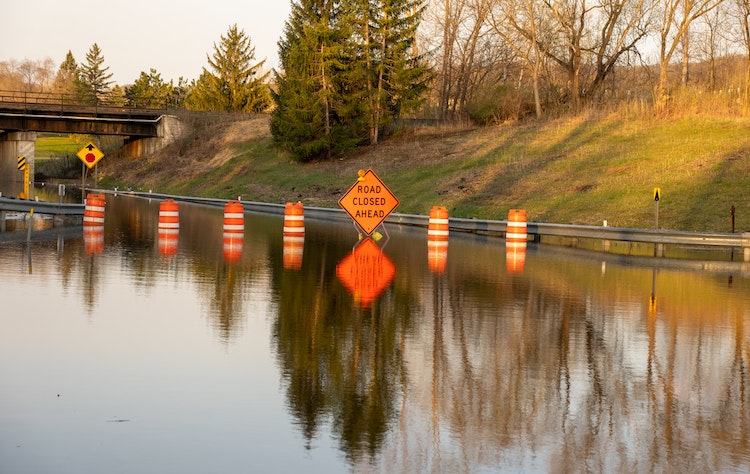
Is Bend, Oregon Susceptible to Flooding?
Bend, Oregon, with its varied landscape and distinct climate, has indeed experienced its share of flooding events. The city's geographical diversity, coupled with certain weather patterns, can create conditions conducive to floods. The high desert region experiences a range of environmental conditions, and when significant precipitation occurs, it can lead to elevated water levels in the area’s rivers and streams, posing a flood risk to the communities residing near these water bodies.
Understanding the susceptibility of Bend to flooding is essential for residents and visitors alike. By staying informed about the risk factors and maintaining awareness of the environmental conditions and weather patterns specific to Bend, individuals can take appropriate precautionary measures. Knowledge about the area’s flood potential enables the community to be prepared and act swiftly, ensuring the safety and well-being of all in times of flood events.

Causes of Flooding in Bend
In the context of Bend, Oregon, various factors play significant roles in causing flooding, creating a need for a deeper understanding of these elements to effectively mitigate the impacts and ensure community safety.
Bend Climatic Conditions
The climate in Bend is characterized by a high desert climate, receiving a modest amount of precipitation annually. This climate can lead to rapid snowmelt during the warmer months, contributing to increased water levels in the local rivers and streams and subsequently increasing the risk of flooding, especially in low-lying areas.
Bend Geographical Factors
Bend's unique geography also plays a pivotal role in flooding events. The city, positioned near the Cascade Range, is surrounded by rivers and mountains, causing water to flow downhill into the valleys during heavy rainfalls or rapid snowmelts, impacting the areas in its pathway.
Human Activities
The role of human activities in Bend cannot be overlooked when analyzing the causes of flooding. Urbanization and land-use changes have altered the natural water flow, reducing the land's ability to absorb water and increasing runoff, which can contribute to heightened flood risks.
Flooding in Bend is shaped by a combination of climatic, geographical, and human-induced factors. By acknowledging and understanding these causes, residents can be better prepared and implement effective measures to reduce the adverse impacts of flooding on the community.
Reflecting on the unique blend of climatic conditions, geographical setting, and human activities in Bend, it becomes clear that a multi-faceted approach is essential to address and mitigate the risks associated with flooding. It is imperative for the local community and authorities to collaborate and adopt proactive strategies, focusing on preparedness and resilience, to safeguard Bend and its residents from the potential devastation of future flood events.
Impact of Bend Flooding
The ramifications of flooding in Bend, Oregon, are multifaceted, affecting the community on various levels and underscoring the importance of comprehensive knowledge and preparedness to minimize the adverse effects of such incidents.
Material Damage to Bend
Flooding in Bend can inflict substantial material damage. The overflowing of rivers and streams can lead to the destruction of homes, infrastructure, and natural habitats. The city's residential and commercial properties, particularly those in proximity to water bodies, are susceptible to significant damage, necessitating extensive repairs and restoration.
Effect on the Bend Economy
The local economy of Bend also experiences the impacts of flooding. Economic activities, especially those dependent on the region’s natural resources and outdoor recreation opportunities, can face disruptions. Local businesses may suffer losses due to property damage and operational halts, affecting the overall economic stability of the region.
Social and Psychological Impact
Beyond the tangible losses, the residents of Bend endure social and psychological distress following flood events. The displacement of families and the loss of homes can lead to increased stress and anxiety within the community. Additionally, the communal bonds may be strained as residents grapple with the recovery and rebuilding process, impacting the overall societal wellbeing of Bend.
The impacts of flooding in Bend extend beyond mere physical damage, affecting the socio-economic fabric and the psychological well-being of the community. The collective effort to understand and address these impacts is crucial in fostering resilience and ensuring the long-term sustainability and prosperity of Bend.
It is essential to acknowledge the multifaceted impacts of flooding in Bend and strive for an inclusive approach in dealing with the aftermath. The community’s resilience and unity are tested during these times, and a cohesive response and recovery process are integral to overcoming the challenges and rebuilding a stronger and more resilient Bend.

Bend Response and Relief Efforts
Understanding the integral role of immediate response and long-term relief efforts is crucial when addressing the impacts of flooding in Bend, Oregon. These efforts are pivotal in mitigating the adverse effects on the community, aiding in the recovery and rebuilding process, and ensuring the well-being and resilience of Bend’s residents.
Bend Governmental Response
When floods hit Bend, the local government swiftly activates emergency response protocols to manage and alleviate the situation. They deploy rescue and relief teams to assist affected residents, ensuring their safety and providing immediate aid. Additionally, the government works in collaboration with local agencies and organizations to assess the damage and implement recovery and reconstruction plans to restore normalcy in the affected areas.
Relief Efforts for Flooding in Bend
Numerous organizations and community groups in Bend play a vital role in relief efforts. They provide essential services such as shelter, food, and medical assistance to those affected by the floods. These groups work in tandem with governmental agencies to facilitate the recovery process, offering support and resources to help rebuild the community and aid individuals in returning to their everyday lives.
Support for Affected Residents
Support for the residents impacted by flooding is multifaceted, involving psychological counseling, financial aid, and community support. The emotional well-being of the affected individuals is addressed through counseling and support groups, while financial assistance programs help in rebuilding homes and replacing lost possessions. The community’s collective effort is vital in ensuring that the needs of every affected individual are met and that Bend emerges stronger from the adversity.
In the wake of flooding, Bend’s integrated response and relief strategies are reflective of the city’s resilience and community spirit. It’s the amalgamation of governmental action, community initiatives, and individual resilience that enables Bend to navigate through the challenges posed by flooding and rebuild with renewed strength and unity.
Bend Prevention and Mitigation Strategies
In grappling with the recurrent flooding issues, the city of Bend has deployed several prevention and mitigation strategies to curb the impact of such calamities on the community. These strategies are not just pivotal for minimizing the material damage but also play a crucial role in ensuring the safety and well-being of the city’s residents.
Flood Control Measures in Bend
Bend has invested in advanced flood control measures, focusing on robust infrastructural developments and environmental conservation. The city has constructed levees and dams to control water flow and has initiated watershed management programs to manage runoff effectively. Additionally, stringent building codes have been implemented, directing constructions away from flood-prone areas to minimize risks to life and property.
Improvements and Future Strategies
Continuous improvements and adaptative strategies are essential components of Bend’s mitigation efforts. The city is actively researching and adopting innovative solutions to fortify its defenses against flooding, utilizing advancements in technology and engineering. Future strategies involve enhancing early warning systems, implementing sustainable urban planning practices, and fostering community awareness and preparedness to adapt to and combat the flooding challenges effectively.
Bend Flood Preparedness
The community of Bend is also being equipped with knowledge and resources to prepare for potential flood events. Public awareness campaigns and educational programs are being conducted to inform residents about the risks and the necessary precautionary measures. Emergency evacuation plans are regularly updated and drilled, ensuring that the residents and local authorities are ready to respond efficiently and effectively in times of crisis.
In essence, Bend’s relentless pursuit of enhanced flood control measures, continuous improvements in strategies, and the emphasis on community preparedness collectively form a robust framework to mitigate the impacts of flooding. The incorporation of advanced technologies, community involvement, and sustainable practices underline the city’s resolve to secure a safe and resilient future for all its residents.

Keeping You and Your Family Safe During a Flood
In Bend, being equipped with knowledge and preventive measures during a flood is indispensable for the safety of families and the community at large. Understanding the actions to be taken during such calamities can notably reduce the risks associated and contribute to the well-being of every individual in Bend.
What to do During a Flood in Bend
In the event of a flood in Bend, the immediate focus should be on ensuring personal safety and avoiding unnecessary risks. Residents are advised to stay informed by tuning in to local news for real-time updates and instructions. When directed, evacuate promptly to safer grounds, avoiding flooded areas, and using designated routes only. It’s paramount to turn off utilities at the main switches and disconnect electrical appliances to prevent any potential hazards. Having an emergency kit prepared with essential items like food, water, medications, and important documents is crucial. Further, residents should stay indoors, avoid driving through floodwaters, and keep in constant communication with neighbors and local authorities for assistance and information.
In navigating the challenges posed by floods in Bend, being informed, prepared, and vigilant is crucial. The collective effort of the community and adherence to safety protocols play an integral role in minimizing the repercussions and ensuring the safety of everyone involved. By aligning actions with the recommended guidelines and maintaining a proactive stance, residents of Bend can significantly contribute to creating a safer environment during floods.
The protective measures, combined with the right information and immediate response, can safeguard Bend’s residents from the severe impacts of floods. The adoption of these safety protocols is a step towards resilience and signifies the city’s emphasis on the well-being and security of its inhabitants during such calamities.
Reflecting on Bend's Resilience
The extensive overview of floods in Bend underscores the significant impacts these natural events can have on communities, particularly in areas like Bend that exhibit a unique blend of climatic and geographical elements. The resilience and preparedness of Bend’s residents and the government are pivotal in mitigating the adverse effects and ensuring the swift recovery of the city. Through comprehensive relief efforts and the unwavering support of the community, Bend continues to exemplify strength and adaptability in the face of such challenges.
Understanding and addressing the multifaceted aspects of floods in Bend, including material damage, economic repercussions, and social and psychological implications, are crucial for fostering a resilient and informed community. By persistently enhancing preventive and mitigation strategies, and by ensuring that every individual is equipped with the knowledge and resources needed for emergencies, Bend can fortify its defenses against the relentless forces of nature and safeguard its future.
Our Community Partners - Going Above and Beyond
Flood Safety Updates
Sign up to our newsletter and receive updates on the latest flood safety tips.
latest updates, discounts, and promotional offers.
